



Dry Eye or Allergies? How to Tell the Difference
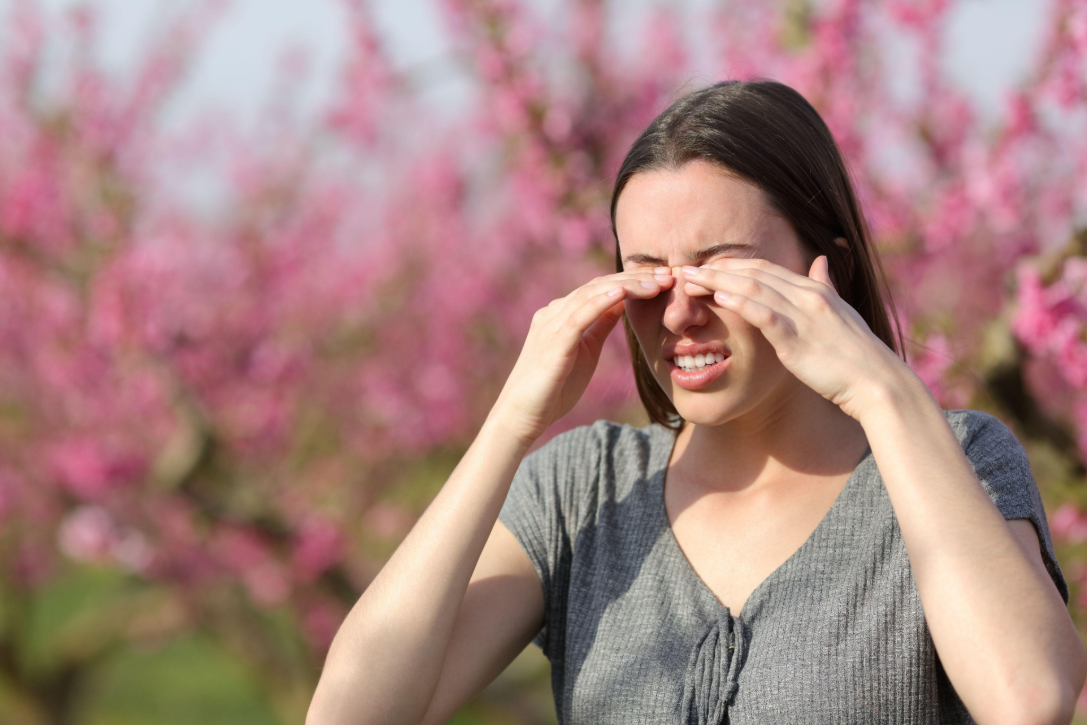
Red, watery, irritated eyes can be frustrating, especially when you’re not sure what’s causing them. Two common causes are dry eye and eye allergies. They share many of the same symptoms so it isn’t always easy to tell them apart.
One of the biggest clues can be itchy eyes. Itching is more commonly associated with allergies, while gritty, scratchy, or burning eyes are more common with dry eye. You can also have both.
Common Signs of Eye Allergies
Eye allergies happen when your eyes react to allergens in your environment. Pollen, grass, dust, and pet dander are some common triggers.
Common symptoms include:
- Itching
- Redness
- Watering
- Puffy or swollen eyelids
- Burning or irritation
Eye allergies may also occur along with sneezing, a runny nose, or nasal congestion.
What Does Dry Eye Feel Like?
Dry eye occurs when your eyes don't produce enough tears or when your tear quality is poor, causing them to evaporate too quickly. This leaves the surface of your eyes without the moisture and protection they need.
Despite the name, watery eyes can actually be a symptom of dry eye. When the surface of the eye becomes irritated, your eyes may respond by producing extra watery tears. This reflex tearing can make your eyes water without actually relieving the underlying dryness.
Common symptoms include:
- Burning, stinging, or scratchy eyes
- A gritty or sandy feeling
- Redness or irritation
- Watery eyes
- Sensitivity to light
- Fluctuating or blurry vision
- Discomfort that becomes worse with reading or screen use
So, Is It Dry Eye or Allergies?
There isn’t always a clear answer based on symptoms alone. Itching tends to point more toward allergies, while burning, grittiness, and fluctuating vision are more commonly associated with dry eye. Since the symptoms overlap and you can have both conditions at the same time, an eye exam is important to determine what’s actually causing the irritation.
Finding Relief
If allergies are causing your symptoms, reducing your exposure to known triggers can help. A cool compress over closed eyes may soothe itching and swelling.There are also eye drops specifically designed to treat eye allergies. It’s best to avoid using redness-relieving drops as a substitute for allergy treatment as they don't address the underlying allergic response and can cause rebound redness with frequent use.
For mild dry eye symptoms, preservative-free lubricating eye drops and regular breaks from screens may provide some relief. It's important to make sure you drink enough water and have enough good quality omega-3s in your diet. Warm compresses and other at-home treatments may also be recommended depending on what's contributing to your symptoms.
If you wear contact lenses, both allergies and dry eyes can make your lenses feel less comfortable. Your optometrist can help determine whether changes to your lenses, wearing time, or eye drops may help.
When Should You See Your Optometrist?
Understanding what's causing the irritation is an important part of finding the right relief. If your eyes remain red, watery, itchy, or uncomfortable, or your symptoms keep coming back, an eye exam can help determine the underlying cause.
Not sure if it’s dry eye or allergies? The Vista Eyecare team is here to help. Give us a call at 306-955-3811 to book an appointment to have your symptoms assessed. You can also visit us at 10-3012 Meadows Parkway in Rosewood if you have questions or need help choosing the right eye care products.