




Back-to-School Eye Exams: Helping Your Child See Their Best This School Year
As children settle into their school routines, parents are busy balancing homework, activities, work schedules, and everything else that comes with a new school year. While there's a lot to think about this time of year, a comprehensive eye exam can help provide peace of mind that your child is seeing clearly and comfortably both inside and outside the classroom.
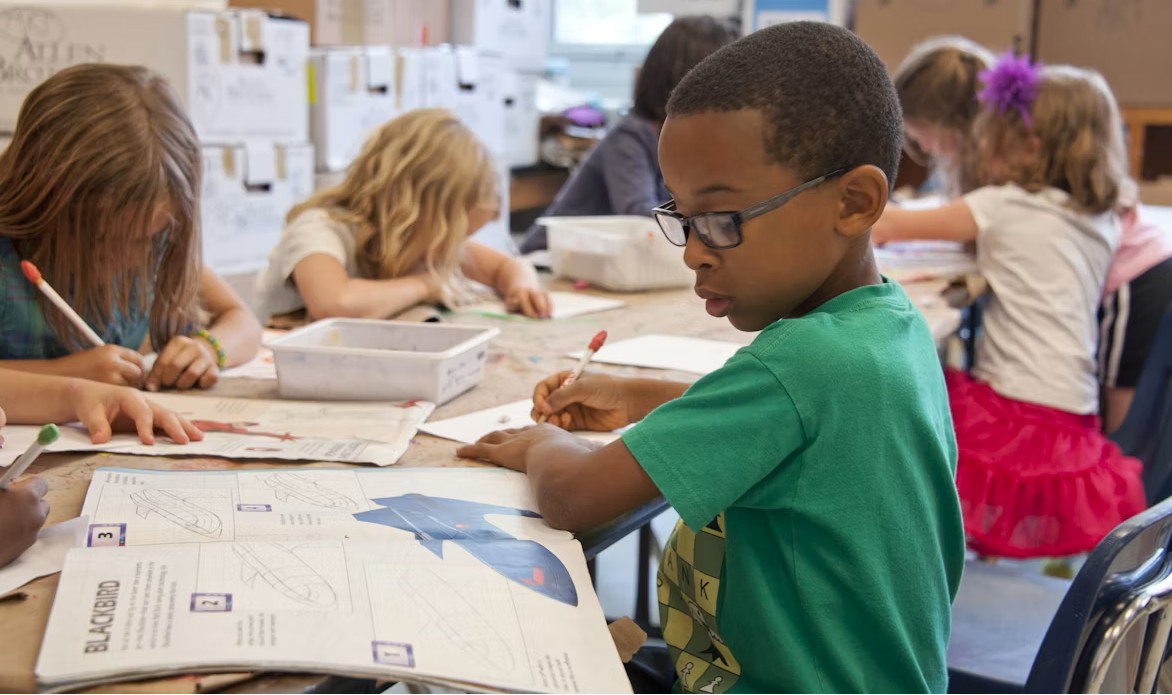
Good vision plays an important role in learning. Whether they're reading, using digital devices, completing assignments, or viewing information at the front of the classroom, much of what children do each day relies on their ability to see clearly.
Why Are Eye Exams Important for Children?
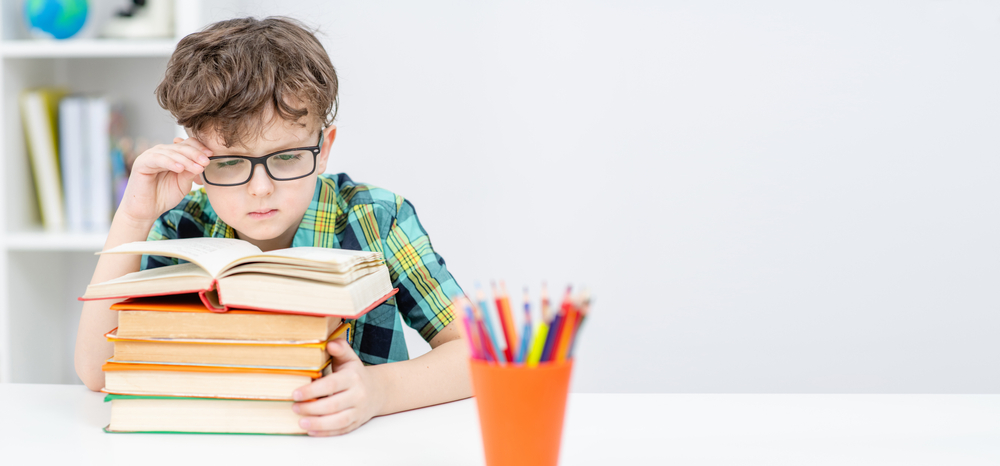
Children don't always realize they have a vision problem because they may assume everyone sees the way they do. Even children who seem to be able to make things out clearly can have vision or eye health concerns that can impact their day to day life. These may affect learning, eye coordination, focusing, or overall visual comfort.
Regular eye exams are also important as children grow. Children's eyes and vision can change as they develop, sometimes without obvious symptoms. Myopia (nearsightedness) is becoming increasingly common in children and often develops or progresses during the school years. Regular eye exams can help detect myopia and other vision changes early, and for children whose myopia is progressing, there are treatment options available to slow down its progression.
A comprehensive eye exam allows your optometrist to evaluate not only how clearly your child sees, but also how well their eyes work together, how their vision is developing, and the overall health of their eyes.
Signs Your Child May Be Having Vision Trouble
Some children have no obvious symptoms at all, which is one reason regular eye exams remain important even when there are no concerns. If you notice any of these signs, it may be time to schedule an appointment:
- Squinting
- Headaches
- Holding books or devices very close
- Sitting close to the television
- Covering or closing one eye
- Losing their place while reading
- Complaints of blurry vision
- Avoiding reading or other close-up activities
When Should Children Have Eye Exams?
The Canadian Association of Optometrists recommends children have:
- Their first eye exam between 6 and 9 months of age
- At least one eye exam between ages 2 and 5
- Annual eye exams between ages 6 and 19
Annual children’s eye exams [hyperlink to children’ eye exam page] are covered by Saskatchewan Health and can help detect vision problems early, when treatment is often most effective.
Ready for the School Year Ahead?
Healthy vision plays an important role in learning, comfort, and participation throughout the school year. With up to 80% of learning being visual, making eye exams part of your child’s routine care can help ensure they have the visual skills they need to learn, grow, and thrive.
If you have questions about your child’s vision or would like to schedule an appointment, our team is happy to help. Book online, call us at 306-955-3811, or visit us at our new location in Rosewood, Saskatoon.

.svg)
.svg)