

We Look for Eye Disease at Every Eye Exam
Many eye diseases develop slowly and may not cause noticeable symptoms at first. That’s why regular eye exams are an important part of protecting your vision, even when your eyes feel fine.
At Vista Eyecare, we use advanced diagnostic equipment alongside a thoughtful, personalized process to help detect changes early, monitor your eye health over time, and recommend next steps when needed.
If you have a family history of eye disease, diabetes, new symptoms, or concerns about your vision, we’re here to help you understand what’s happening and what can be done to protect your sight in a way that’s comfortable and tailored to you.
Eye Conditions We Commonly Monitor
Glaucoma
%402x%20(2).svg)
Glaucoma is a group of eye diseases that damage the optic nerve, often related to changes in eye pressure. It typically develops slowly and often doesn’t cause noticeable symptoms in the early stages.
Because vision loss from glaucoma is permanent, early detection and ongoing monitoring are very important. During your eye exam, we assess eye pressure, optic nerve health, and other risk factors to help identify glaucoma as early as possible.
The common types of glaucoma are:
- Open-angle glaucoma
The most common form. Eye pressure builds slowly over time because fluid does not drain as efficiently as it should. - Closed-angle glaucoma
A less common but more urgent form where the drainage angle suddenly becomes blocked, causing a rapid rise in eye pressure. This is considered a medical emergency. - Normal-tension glaucoma
Optic nerve damage occurs even though eye pressure remains within the normal range. We monitor this closely through imaging and functional testing.
Age-Related Macular Degeneration (AMD)
Age-related macular degeneration affects the macula, the central part of the retina responsible for detailed vision. This is the vision you rely on for reading, driving, and recognizing faces.
AMD becomes more common with age, and risk can be influenced by family history, smoking, UV exposure, and overall health. Regular eye exams allow us to monitor for changes and guide you through the next steps if needed.
There are two main types of AMD:
- Dry AMD
The most common form. It develops gradually as the macula becomes thinner over time, leading to slowly changing central vision. - Wet AMD
Less common but more serious. It occurs when abnormal blood vessels grow under the retina and leak fluid or blood, which can cause more rapid changes in vision.
Diabetic Eye Disease
Diabetes can affect the small blood vessels in the retina, leading to conditions such as diabetic retinopathy or diabetic macular edema. These changes often develop before any symptoms are noticeable.
Routine diabetic eye exams help us detect early signs, monitor progression, and coordinate care when needed to help protect your vision long term.
Cataracts
Cataracts occur when the natural lens inside the eye becomes cloudy over time. They are very common and can cause blurry vision, glare, difficulty with night driving, or frequent prescription changes.
Early cataracts can often be managed with updated glasses or lighting changes. When they begin to impact your daily life, we can guide you through the referral process for surgery and support you along the way.
Conjunctivitis (Pink Eye)
Conjunctivitis is inflammation of the front surface of the eye. It can be caused by infections, allergies, dryness, or irritation.
Symptoms may include:
- Red eyes
- Itchy eyes
- Watery / teary discharge
- Mucus discharge or crustiness
- Discomfort or pain
Because the cause can vary, an eye exam helps determine the right treatment and whether it may be contagious.
How We Check for Eye Disease
We use a combination of clinical expertise and advanced diagnostic technology to assess the health of your eyes.
Depending on your needs, this may include:
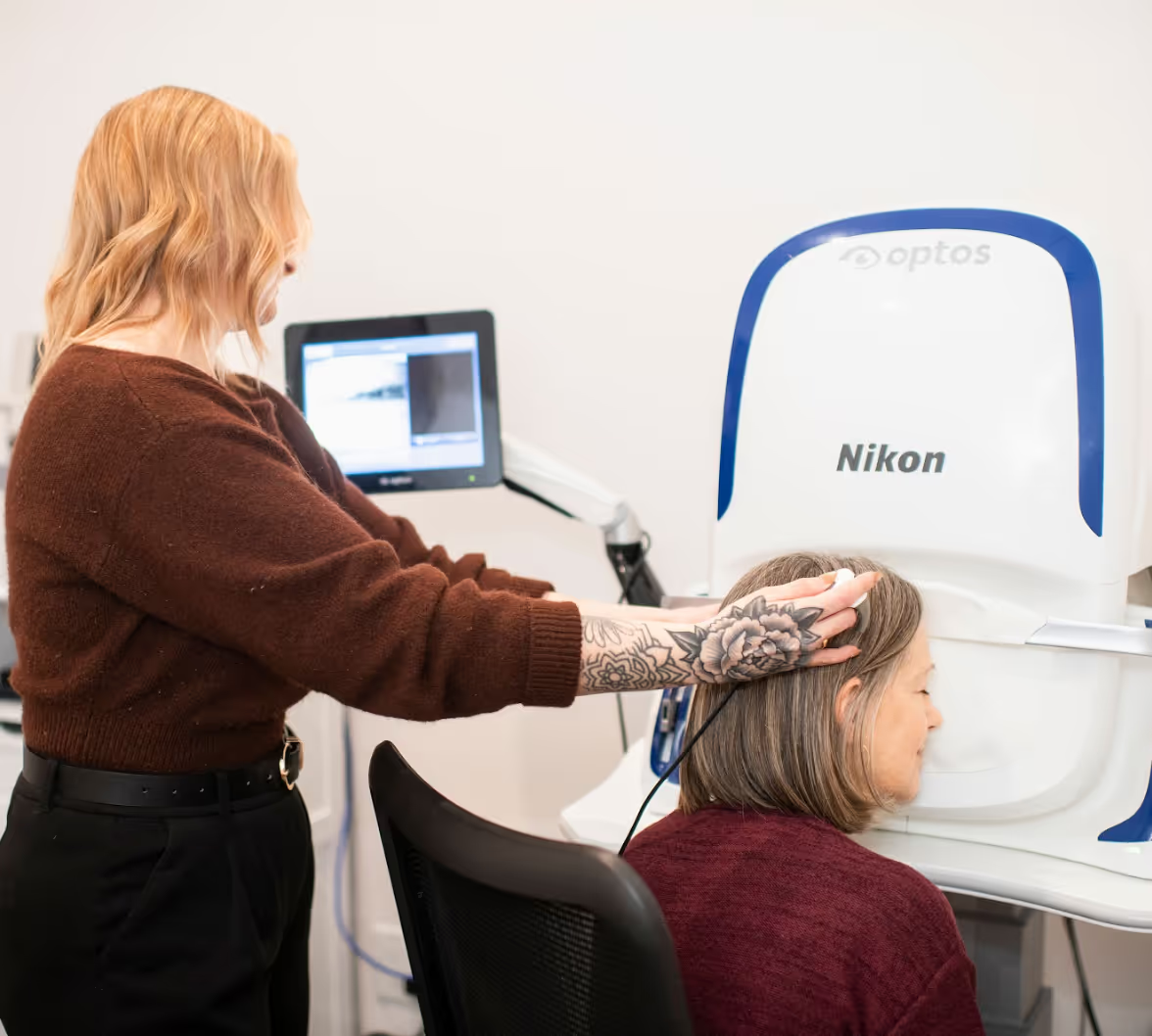
- Retinal imaging
- OCT (optical coherence tomography)
- Visual field testing
- Eye pressure measurement
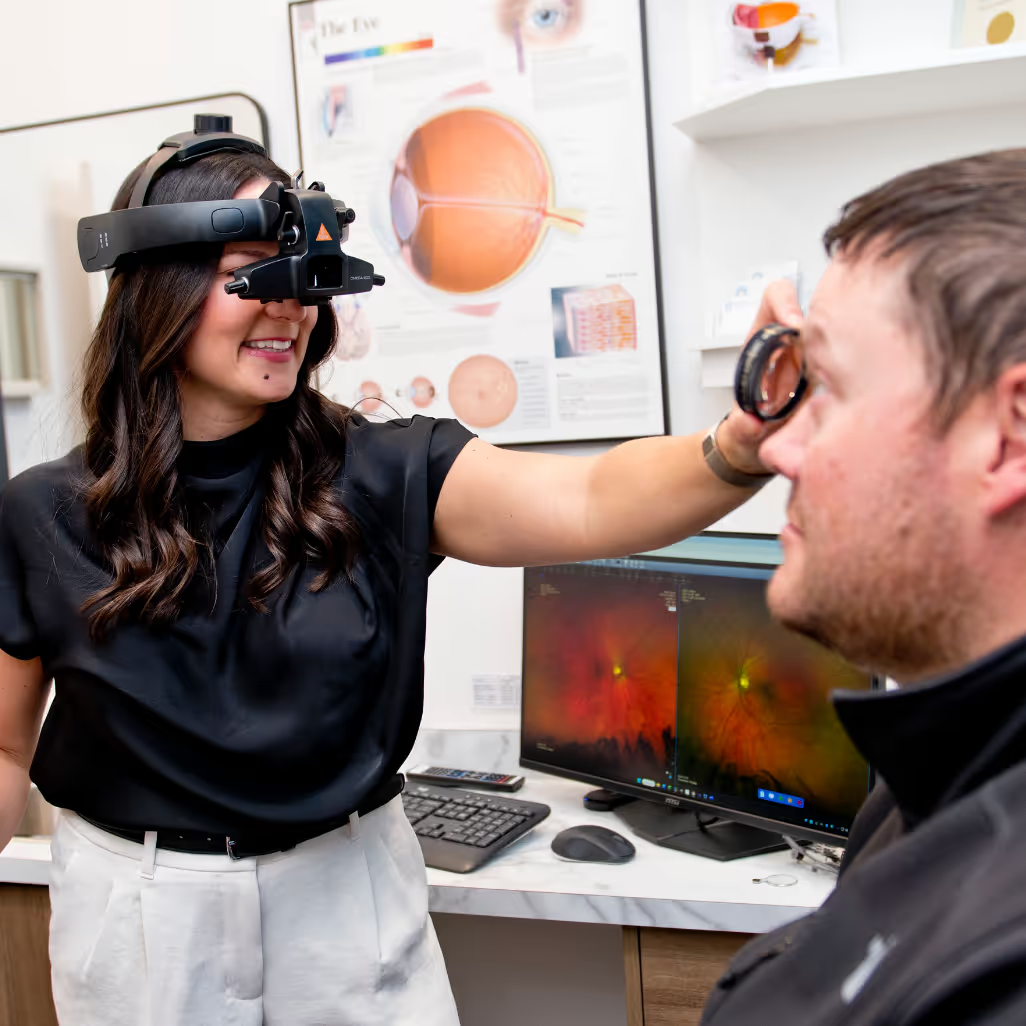
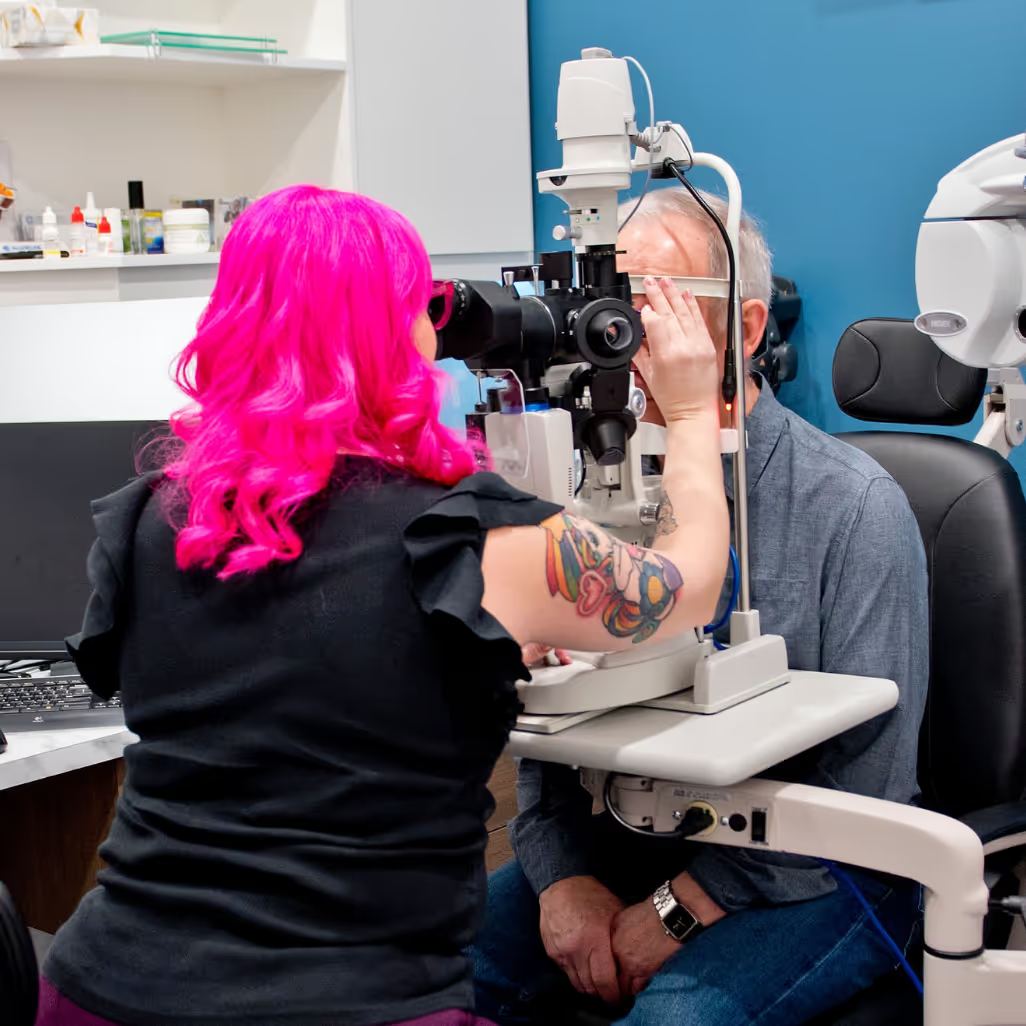
- A detailed evaluation of the front and back of the eye
These tools allow us to detect subtle changes, monitor known conditions, and make more informed decisions about your care.
You can learn more about the equipment we use on our Technology page.



Supporting Your Eye Health, Long Term
Our goal is not just to detect eye disease, but to help you understand your eye health and feel confident in your care.
Whether that means monitoring over time, providing treatment, or coordinating care with other healthcare providers, we’re here to support you every step of the way.