Gentle, Thorough Eye Exams for Growing Eyes
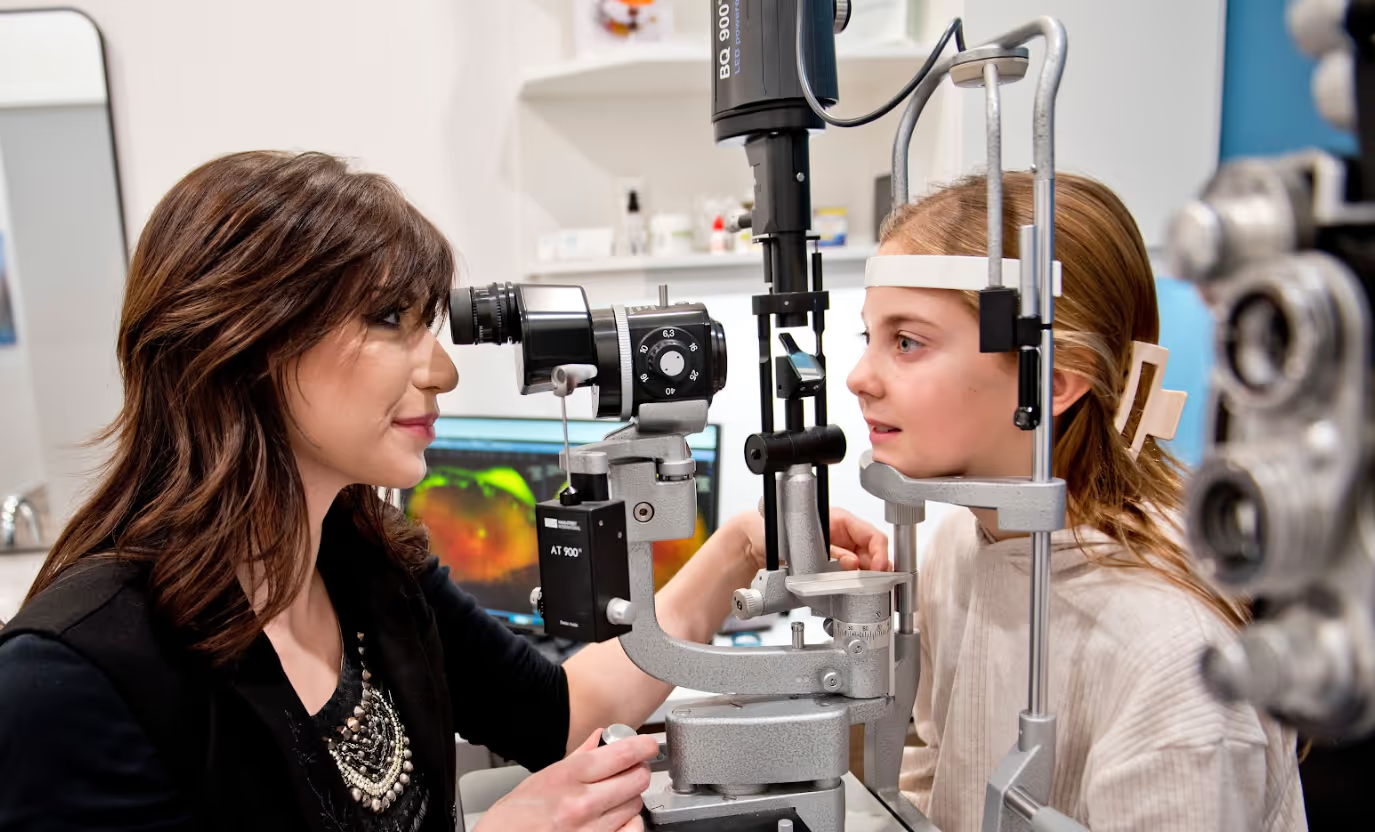
At Vista Eyecare, we know every child is different. Some are excited to visit the eye doctor, some are a little nervous, and some need extra time to feel comfortable. Our team takes a patient, friendly approach to kid’s eye exams so your child can feel at ease while we carefully check how their eyes are developing.
Children’s eyes can change quickly as they grow. Since kids do not always know how to explain vision changes, regular eye exams help us catch concerns early, support healthy development, and make sure they have the clear, comfortable vision they need for school, play, and everyday life.
If your child is feeling nervous, that’s completely okay. We move at their pace and make the experience as easy and positive as possible.
When Should Your Child Have an Eye Exam?
Children’s eyes grow and change quickly, especially in the early years. Eye exams at key stages help us monitor visual development, check eye health, and make sure your child is reaching important visual milestones.
The Canadian Association of Optometrists (CAO) recommends:
We follow these guidelines while tailoring care to your child’s individual needs at every stage.
Birth to 12 Months
%402x%20(2).svg)
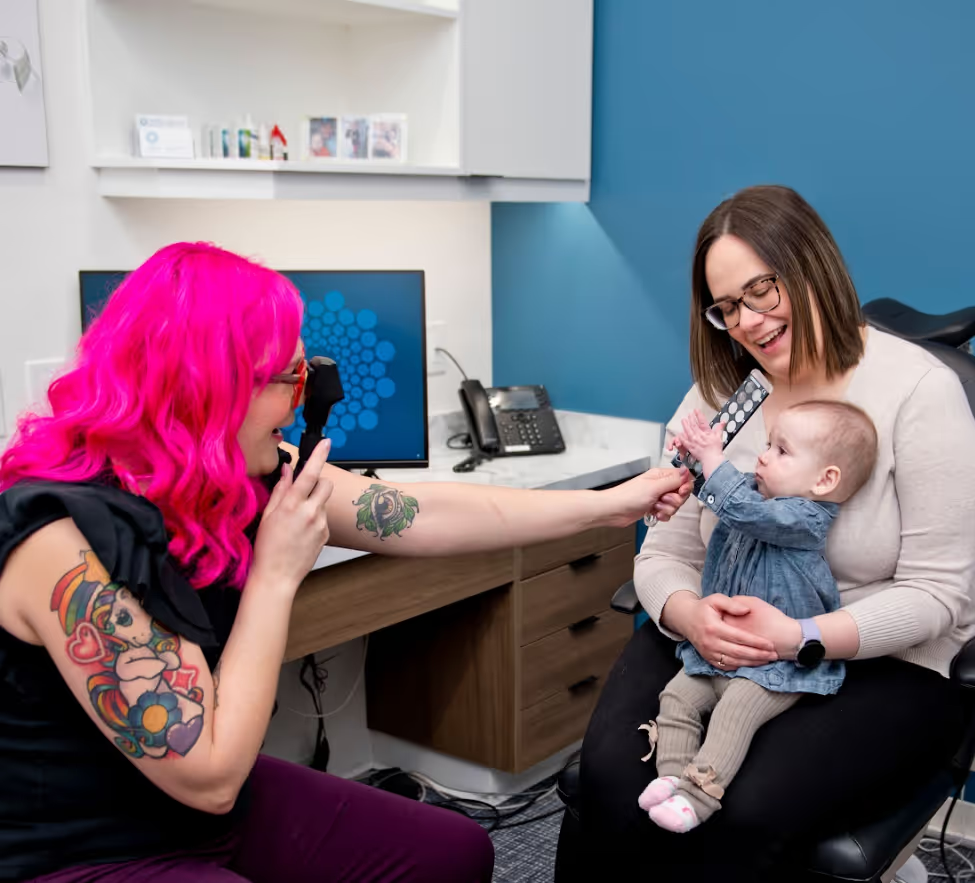
When babies are born, their vision is very limited. During the first year, your baby’s vision goes through many changes and their eyes are learning to work together. Eye and vision issues can affect their hand-eye coordination and cause developmental delays, so we want to catch any problems as soon as possible.
An early eye exam helps us check eye alignment, focusing ability, eye health, and overall visual development. Even if everything seems normal, this first exam can help identify concerns early and give parents peace of mind.
2 to 5 Years
As children become more active and independent, their vision plays an important role in learning, coordination, and confidence. This stage often includes a child’s first eye exam for toddlers or preschool-aged children, making it an important time to check how their eyes are developing.
At this age, we check for concerns like amblyopia (lazy eye), eye turns, focusing issues, and prescription changes. Since children may not know what “normal” vision should look like, an eye exam is one of the best ways to make sure they are seeing comfortably.
6 to 19 Years
School-aged children rely on their vision every day for reading, writing, screens, sports, and classroom learning. Annual eye exams help us monitor prescription changes, eye health, binocular vision, and signs of conditions like myopia. Clear, comfortable vision can make a big difference in how children learn, play, and feel.
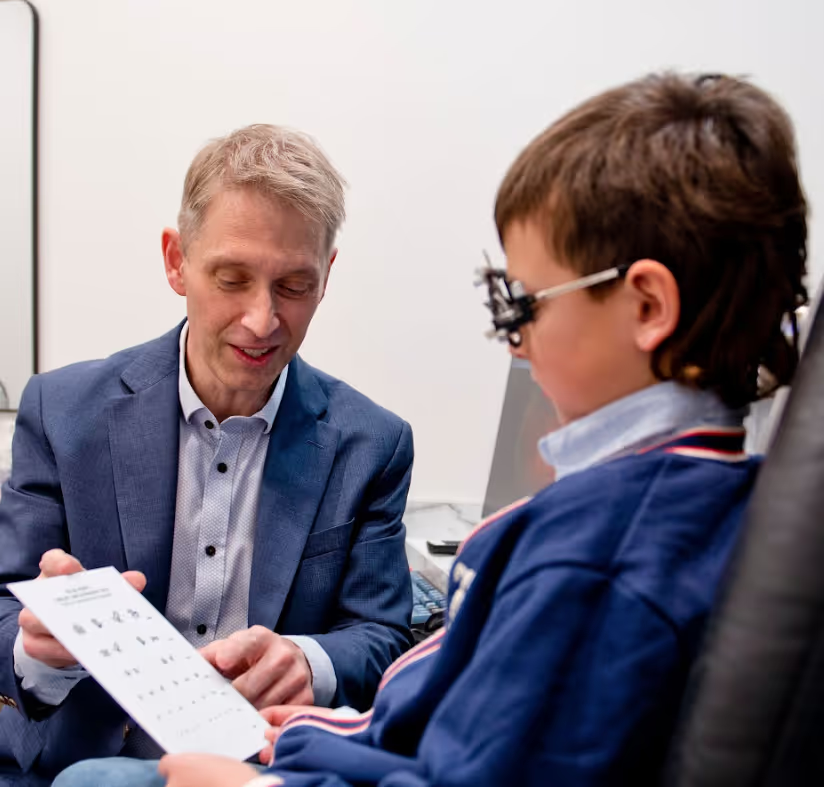
What to Expect at Your Child’s Eye Exam
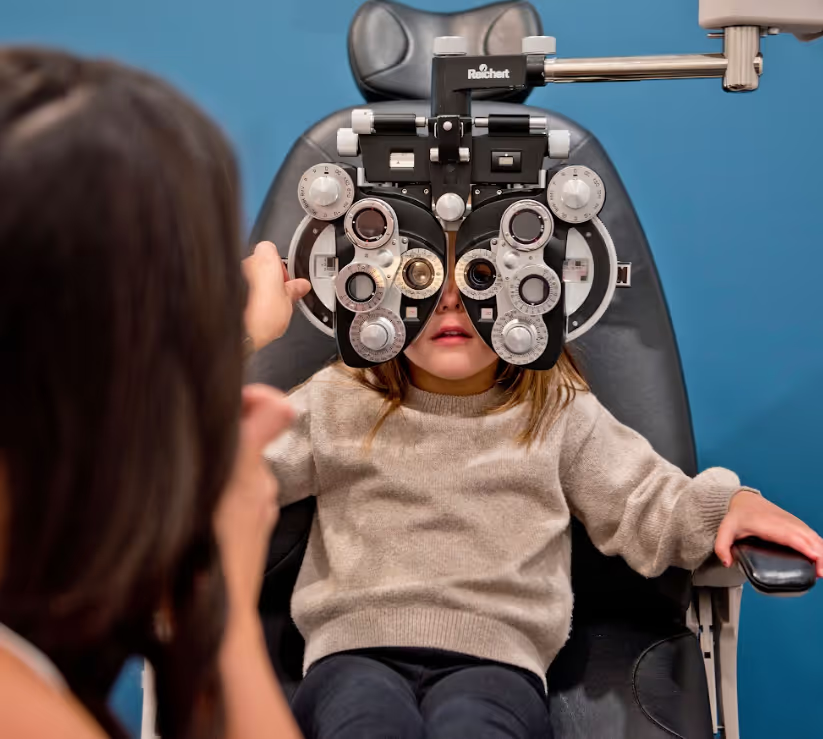
If you’ve been searching for a children’s eye exam in Saskatoon, this visit is designed to be relaxed, informative, and tailored to your child.
Depending on your child’s age, we may:

Our goal is to make the experience positive so your child feels comfortable coming back.
Signs Your Child May Be Having Vision Trouble
It’s not always easy to tell when a child is having trouble with their vision. They may assume everyone sees the same way they do and not realize they should be seeing better.
Some signs to watch for include:
When to Book an Eye Exam Sooner
If you notice any sudden changes in vision, eye alignment, headaches, or concerns from teachers about reading or focus, it’s a good idea to book an eye exam sooner rather than waiting.
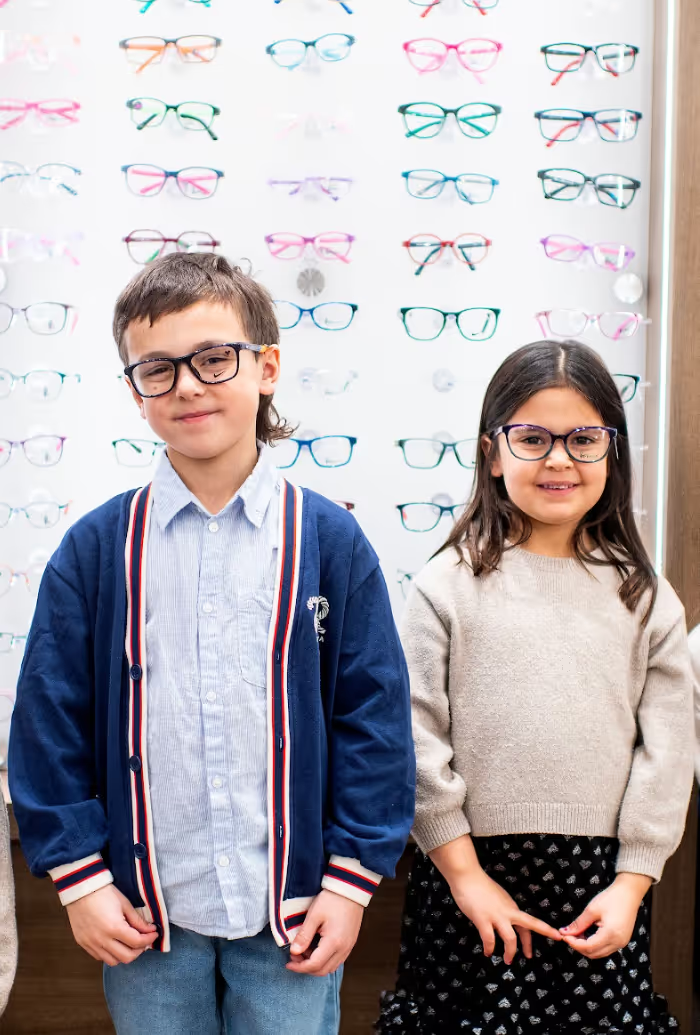
Common Children's Eye Conditions
Myopia / Nearsightedness
Myopia means distance vision is blurry, while near vision is usually clearer. It often begins in childhood and can progress as kids grow.
At Vista Eyecare, we monitor myopia carefully and can talk with you about options that may help slow progression to help prevent eye health problems in the future.
Strabismus / Eye Turn
Strabismus occurs when the eyes do not always point in the same direction. One eye may turn in, out, up, or down.
An eye turn can affect depth perception and visual development, so it is important to assess it early. Treatment may include glasses, vision therapy, monitoring, or referral for surgery when needed.
Amblyopia / Lazy Eye
Amblyopia, commonly known as lazy eye, happens when one or both eyes do not develop clear vision as expected. It can be related to a prescription difference, eye alignment, or other visual development concerns.
Early detection is important because treatment is often more effective when children are young. Depending on the cause, treatment may include glasses, patching, eye drops, or a referral for vision therapy.
Quick Answers for Parents
Are children’s eye exams covered in Saskatchewan?
Yes. Eye exams are covered annually by Saskatchewan Health for children under 18.
How long does a child’s eye exam take?
Most visits take about 20–45 minutes, depending on your child’s needs.
Do kids need to know their letters?
No. We use shapes, pictures, and interactive tools for younger children. In infants and non-verbal children we have ways to check your child’s eyes without their input.
What happens during the exam?
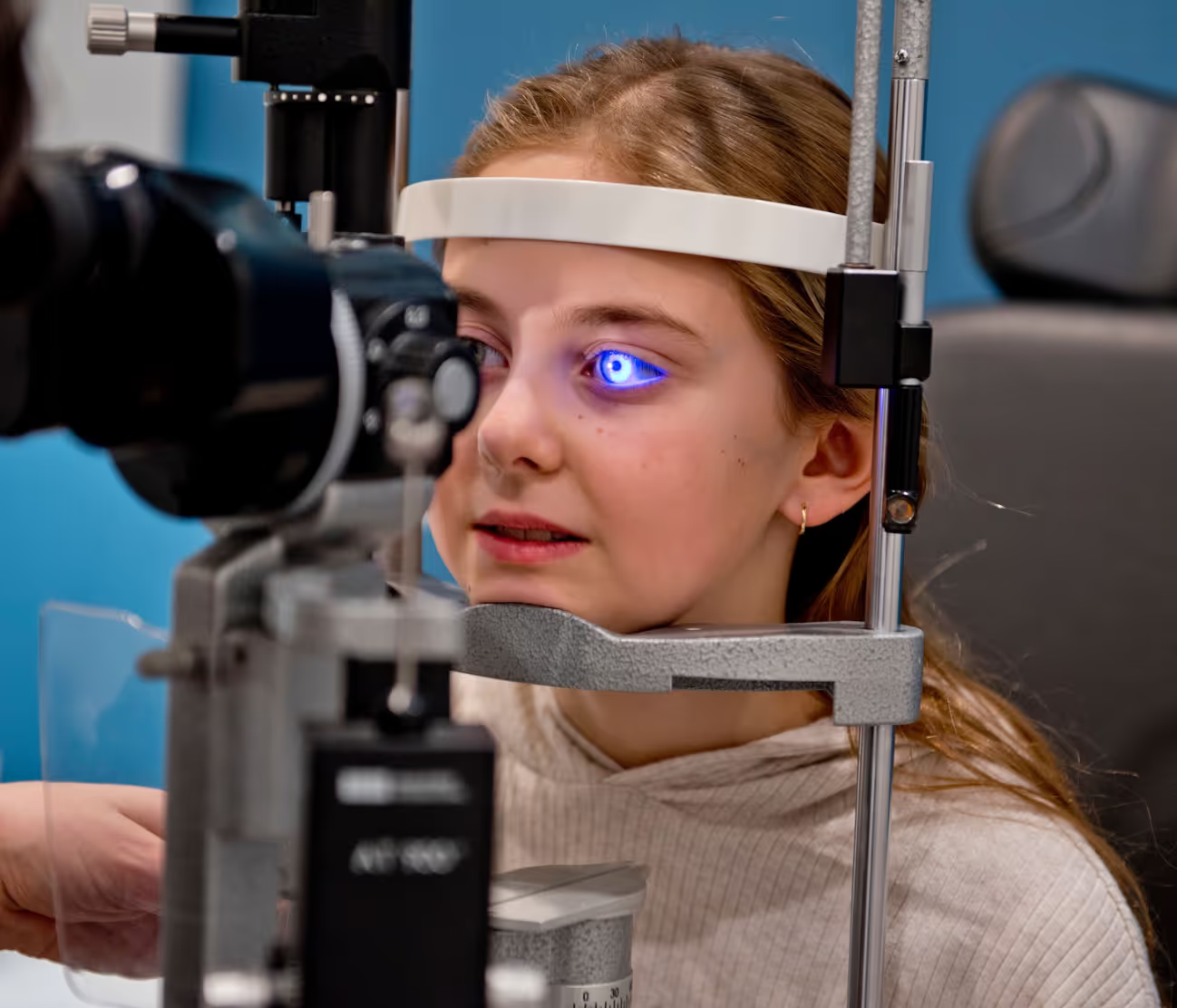
We check vision, eye coordination, focusing ability, and eye health, and then walk you and your child through everything clearly.

Support Your Child’s Vision From the Start
Children’s eye exams are an important part of their overall health and development. Whether it’s their first visit or you’ve noticed a change, our team is here to help.